

What Exactly Is a Yacht Club? Understanding Tradition and Bryan Yacht Club’s Modern Twist
What Exactly Is a Yacht Club? Understanding Tradition and Bryan Yacht Club’s Modern Twist
TL;DR: A yacht club is an organization that brings together people who love boating and sailing. Traditionally, yacht clubs were social hubs for sailors (often with yacht club membership requirements), hosting regattas and providing a place to dock and socialize. Today, many yacht clubs (like Bryan Yacht Club) are more inclusive – offering sailing lessons, youth programs, community outreach, and fun events that welcome newcomers. Bryan Yacht Club exemplifies this modern approach with affordable lake sailing classes, educational activities, nonprofit and scouting initiatives, a sailing-themed gift shop, and connections to the wider sailing community.
Traditional Role of a Yacht Club (A Quick History)
Yacht clubs have been around for centuries – literally. The first clubs date back to the 17th century, when they started as exclusive social clubs for wealthy yacht owners. In those early days, a yacht club was basically a place for gentlemen to gather, show off their fine boats, and mingle with fellow sailing enthusiasts. Owning a yacht was a status symbol, and club membership was often by invitation only. These clubs provided a home base where members could dock their boats, enjoy dinners or parties at the clubhouse, and organize casual races among themselves.
As sailing grew in popularity through the 19th century, yacht clubs evolved beyond mere socializing. They became active centers of boating culture. Clubs began hosting regattas (organized sailboat races) and setting safety standards for the sport. In other words, yacht clubs helped shape modern sailing by promoting seamanship, friendly competition, and boating safety. Many of the prestigious sailing trophies and races (like the America’s Cup) trace their roots to yacht club rivalries and events.
Another hallmark of traditional yacht clubs is their focus on community and camaraderie among sailors. A classic yacht club often has a clubhouse (sometimes a beautiful historic building by the water) and amenities like dining rooms, docks, and maybe a bar – essentially a “home away from home” for boaters. Members gather for weekend races, seasonal banquets, or just to swap sea stories on the dock. This social aspect is a big part of what sets yacht clubs apart from just a marina or public boat ramp.
However, along with these perks came a bit of exclusivity. Traditional clubs usually have a selective membership process and annual dues. The exclusivity helped maintain a tight-knit community, but it also gave yacht clubs a reputation of being only for the affluent or for those who already “belong” in the sailing world. The phrase “you need a yacht to join a yacht club” became a common assumption. Fortunately, that’s changing in the modern era, as we’ll see next.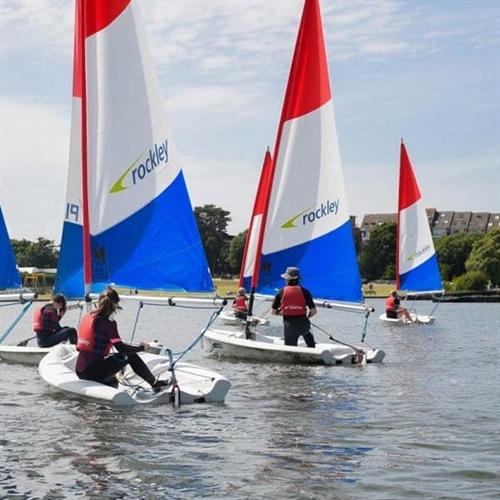
The Modern Yacht Club: More Inclusive, More Educational
Today’s yacht clubs have expanded their horizons. While some old-school traditions remain (many clubs still have burgee flags, ceremonies, and yes, membership dues), the modern yacht club is often much more inclusive and community-oriented. In fact, many clubs now welcome anyone with an interest in boating – you don’t necessarily need to own a fancy yacht (or any boat at all) to get involved. The focus has shifted toward sharing the joy of sailing with more people, not just catering to an elite group.
Most yacht clubs still provide the core activities of racing and social events, but they’ve added educational and outreach programs to their mission. It’s common to find clubs running sailing classes, hosting guest speakers or safety seminars, and sponsoring youth sailing teams. They serve as valuable resources for boaters by offering access to knowledgeable members, training opportunities, and sometimes shared club boats or charter programs for those who don’t have their own vessel. In short, a yacht club membership in the 2020s often means you’re joining a learning community as much as a social one.
For example, the Chicago Yacht Club has operated a year-round sailing school for over 90 years, teaching children and adults the skills to sail safely and confidently. Even historically exclusive clubs like the Houston Yacht Club now offer “learn to sail” programs open to members and guests, reflecting a broader trend to welcome beginners into the fold. Many clubs also run junior sailing camps each summer and partner with organizations like local schools or the Boy Scouts to introduce young people to sailing.
Another modern trend is the rise of community sailing programs and non-profit initiatives within or alongside yacht clubs. Some clubs have established charitable foundations or affiliate organizations dedicated to outreach. For instance, the Jackson Park Yacht Club in Chicago formed a nonprofit sailing school specifically to engage local youth (including those who might not traditionally have access to boating) and to support Sea Scout programs. This shows how yacht clubs today often embrace a mission of spreading knowledge, fostering leadership, and giving back to their communities – not just hosting cocktail parties on the deck.
Lastly, while yacht clubs still offer plenty of fun and socializing, they’ve generally shed a lot of the stuffy formality. A friendly, educational tone is more common now – you’re just as likely to find a club hosting a family barbecue or a sailing trivia night as a black-tie captain’s dinner. The goal is to keep the atmosphere welcoming. Bryan Yacht Club is a great example of this modern, welcoming spirit, so let’s dive into what makes it special.
Bryan Yacht Club’s Unique Blend of Offerings and Activities
Bryan Yacht Club (BYC) is not y our grandfather’s yacht club – and that’s a good thing! It’s a yacht club for the modern era, blending traditional sailing club vibes with fresh, innovative programs. Founded with the belief that “everyone should have a chance to experience the thrill of sailing,” Bryan Yacht Club focuses on making sailing accessible, educational, and fun for all. In practical terms, that means BYC offers an array of services and activities beyond what you might find at a typical club. Here’s how Bryan Yacht Club stands out:
-
Hands-On Sailing Lessons for Everyone: One of BYC’s core offerings is sailing lessons open to the public – no prior experience or membership needed. They provide same-day booking and a variety of two-hour classes on Dallas’s White Rock Lake, taught by a professional instructor. The emphasis is on introductory sailing instruction with plenty of hands-on learning. In these classes, you can learn the basics of handling a sailboat in a relaxed lake environment. It’s an ideal way for complete beginners to get their feet wet (sometimes literally!) and for aspiring sailors to build confidence. By keeping class sizes small and friendly, Bryan Yacht Club makes sure students get personalized coaching. The motto is to “spend more time on the water”—and they mean it: the club helps connect graduates with local sailing opportunities and communities so you can continue sailing after your lesson. (Interested? Check out our sailing lessons page for details on scheduling a class.)
-
Youth Education and Scouting Programs: Bryan Yacht Club goes beyond just teaching sailing – it’s also invested in youth development and education. The club actively supports Scouting programs, including local Sea Scouts and Boy Scout troops. In fact, BYC proudly sponsors Sea Scout Ship 1899 at White Rock Lake, providing sailing training and mentorship to help young people build leadership and maritime skills. (Sea Scouts is a branch of Scouts BSA focused on boating – a perfect fit with BYC’s mission.) This means that when you engage with Bryan Yacht Club, you’re also supporting opportunities for teens to learn navigation, seamanship, and teamwork on the water. Additionally, BYC has offered unique educational initiatives such as an after-school tutoring and life coaching program for high schoolers, blending academic support with sailing as a reward for progress. By tying classroom learning to on-the-water adventure, the club inspires the next generation both intellectually and physically. These educational activities reflect Bryan Yacht Club’s nonprofit spirit – it’s not just about recreation, but also about promoting personal growth through sailing and community service.
-
Community Outreach and Nonprofit Promotion: Community is at the heart of Bryan Yacht Club. The club actively collaborates with and promotes other local sailing organizations and nonprofits. For example, BYC maintains a “Find a Sailing Organization Near You” map and encourages clubs to submit their details, helping connect would-be sailors with clubs and schools in their area. This kind of networking shows BYC’s commitment to the wider sailing community, not just itself. The club’s leadership also offers management consulting services to nonprofits and community organizations (leveraging professional expertise to help other clubs or charities succeed in their missions). In short, Bryan Yacht Club uses its platform to lift up others – whether that’s a small town sailing club that needs publicity or a youth program that could use a sponsor. Supporting local programs is explicitly part of BYC’s mission, making it more of a community hub than an isolated club. When you join an event or class at BYC, you become part of a larger effort to grow sailing as a whole.
-
Gift Shop and Sailing Merchandise: What’s a club without some swag? Bryan Yacht Club puts a fun twist on the traditional yacht club ship’s store with an extensive gift shop offering apparel, accessories, and sailing-themed merchandise. You can find everything from BYC-branded clothing to boating gear and even novelty items (like themed coffee mugs and holiday gifts) in their online store. This isn’t just about selling souvenirs – it’s another way BYC engages with sailing enthusiasts everywhere. Wearing a Bryan Yacht Club t-shirt or cap is a conversation starter and helps spread the word about the club’s inclusive approach. The gift shop also supports the club’s nonprofit initiatives, since proceeds can be reinvested into programs. Plus, it’s simply fun to browse if you’re a sailing nerd! (Feel free to visit our gift shop for a peek at the latest sailing goodies and BYC gear.) By making merchandise available to the public, BYC extends the club’s identity beyond its members – anyone can show they’re part of the sailing community.
-
Connections to Other Clubs and the Broader Sailing Network: Bryan Yacht Club embraces the idea that a yacht club should be a gateway to the entire world of sailing. Through its partnerships and reciprocity, BYC helps members and participants connect with other yacht clubs. Traditional yacht clubs often have reciprocity agreements that let their members visit sister clubs in other cities or states – an awesome perk of club membership. In BYC’s case, the club is building relationships far and wide. For instance, BYC’s support of Sea Scouts and local Dallas clubs has naturally linked it with organizations like the White Rock Boat Club (a long-standing sailing club on the same lake) and others in Texas. The club’s online presence (via social media and its community map) also means that if you learn to sail with Bryan Yacht Club, you’ll hear about events, races, and gatherings at clubs near and far. Being connected to other yacht clubs can open up chances to crew on bigger boats, join regional regattas, or just have a friendly contact if you travel to a coastal city and want to get out on the water. In essence, Bryan Yacht Club acts as a friendly bridge between the casual newcomer and the wider sailing fraternity. It doesn’t matter if you’re lake sailing in Dallas or vacationing by the ocean – BYC wants you to feel welcome in all corners of the sailing world.
Sailing lessons on a calm lake are a great way to start – you don’t need an ocean or a yacht to catch the sailing bug! Bryan Yacht Club’s classes on White Rock Lake make sailing accessible for everybody, focusing on hands-on learning and confidence building.
Lake Sailing vs. Blue Water Sailing (What’s the Difference?)
Speaking of lakes and oceans – what’s it like sailing on a small lake versus blue water sailing on the open ocean? And how can a “yacht club” be based on an inland lake, anyway? These are common questions, so let’s compare lake sailing to blue water sailing and see why both are valuable experiences (each in their own way).
Environment & Conditions: Lake sailing usually means protected, freshwater environments, whereas blue water (ocean) sailing means vast, saltwater seas. One of the first differences a sailor notices is the waves. On the ocean, waves are much larger in height, but they tend to roll in long, smooth intervals (the classic long ocean swell). On a smaller lake, especially a shallow one, waves are short, steep, and can be choppy. You might find that on a windy day, a lake sailor deals with a rapid succession of little wave jolts, often called a “chop,” which can make for a harsher ride in bad weather. Ocean waves might look huge, but they’re spaced further apart, giving a boat time to rise and fall gently (except in storms). So in a funny way, rough lake conditions can feel more physically punishing than equivalent wind on the ocean – you pound through short waves rather than gliding over long swells.
Weather patterns also differ. On the ocean you usually have more room to maneuver around storms or take evasive action, while on a lake you’re never far from shore (which can be both a comfort and a danger). If a squall hits on a lake, you can’t run for days with the wind at your back – you might have to face it or get off the water quickly because land is right there on all sides. In practice, lake sailors learn to be very vigilant about sudden weather changes and to make quick decisions. Ocean sailors, especially on long passages, focus on big-picture navigation and heavy-weather tactics since help or shelter might be far away. Both types of sailing sharpen your skills in different ways: lake sailing hones your reactivity and finesse (constant sail trimming, reading shifty winds, etc.), while blue water sailing builds your endurance and strategic planning for the long haul.
Boat & Maintenance: Generally, the boats used in lake sailing versus ocean sailing can differ. On lakes, you’ll often see smaller dinghies, day sailers, or keelboats designed for lighter conditions and easy launching. Ocean-going yachts tend to be larger, with heavier hulls (often deep-V shapes or full keels) to handle big waves and open-sea stability. A boat that is perfect for lake sailing – say a 20-foot centerboard sailboat – would not be suitable for crossing an ocean. Conversely, a 50-foot blue water cruiser might be overkill on a small inland lake. Another big factor is maintenance: saltwater is harsh on boats. Ocean sailors must constantly battle corrosion from salt – everything metal on the boat from engine parts to rigging needs extra care and rinsing. Freshwater lake sailing is gentler on equipment; you won’t get encrusted with salt or barnacles, and your boat’s upkeep is a bit easier (no saltwater in the bilge, no salt spray eating away at fittings). As one sailor put it, in the ocean “if you find water in the bilge, the first thing you do is taste it – if it’s saltwater, you have a problem”. That’s not an issue on a lake! However, lake boats might take more groundings (since lakes can have shallow spots) and they often need to be trailerable or stored off-site in winter, which has its own logistics.
Skills & Training: From a learning perspective, lake sailing is excellent for beginners. Lakes provide a confined, generally safer space to practice in. You can usually always see the shore, so there’s less navigational anxiety. Winds on small lakes can be shifty and variable, which actually trains new sailors to trim sails and adjust course frequently – great practice for tuning your sail trim skills. As noted earlier, lake sailors often become very good at reading subtle changes in wind and reacting quickly. Blue water sailing, on the other hand, teaches patience and self-sufficiency. On an ocean passage, you might go hours with steady conditions where little adjustments are needed – but you must keep a vigilant watch on the weather and systems, and be ready for when a change finally comes. Ocean sailing also typically requires learning about navigation (charts, GPS, possibly celestial navigation), long-term route planning (taking into account currents, trade winds, etc.), and heavy-weather seamanship (like how to heave-to in a gale or use a drogue). These are things you wouldn’t encounter on a lake day sail. Many seasoned sailors actually consider inland lake sailing the perfect training ground: if you can master a temperamental lake wind, you’ll be well prepared to graduate to larger waters. Conversely, those who learned on the ocean might be surprised by how “busy” you have to be on a lake constantly tacking in shifting winds.
In summary, lake sailing vs. blue water sailing isn’t a matter of good vs. bad – they’re just different experiences. Lake sailing (such as the lake sailing Bryan Yacht Club offers on White Rock Lake) is usually more accessible, more frequent (quick afternoon sails are easy), and family-friendly. Blue water sailing (the classic blue water sailing across oceans) is more about adventure and exploration on a grand scale. Plenty of sailors love both! And importantly, yacht clubs can cater to both: Bryan Yacht Club starts you off with the joys of lake sailing and connects you to the wider world of sailing, so if you catch the sailing bug on a lake, you might one day find yourself crewing in a coastal regatta or even sailing offshore – with the skills and community support you gained from the club.
Joining a Yacht Club Today: Embrace the Sailing Community
Whether you’re drawn to the local lake or the open ocean, a yacht club can be your gateway to the sailing life. Modern yacht clubs like Bryan Yacht Club prove that you don’t need to be a millionaire or a seasoned sailor to join the fun. Many clubs are nonprofits or community organizations at heart, eager to share knowledge and grow the sport of sailing. When you join or participate, you’re welcomed into a supportive network of sailors of all levels. You’ll find mentors who can teach you new skills, friends to crew with on weekends, and plenty of social events to swap stories (or friendly jokes about who got their boat stuck in the weeds last week!).
To answer the question “What exactly is a yacht club?” in one sentence: it’s a community of people who love boats and being on the water, who come together to learn, sail, compete, and socialize, often with a proud nod to nautical tradition and a big heart for welcoming newcomers. A yacht club can organize a world-class regatta one day and a casual family cookout the next. It can host formal navigation courses, then turn around and sponsor a charity sailing event for kids. In other words, a yacht club is what its members (and leaders) make of it – and today, most are choosing to make it inclusive, educational, and fun.
Bryan Yacht Club encapsulates this spirit perfectly. It honors the classic elements of a yacht club – camaraderie, love of sailing, and pride in seamanship – while adding its own modern spin with programs like sailing lessons for all, youth scouting sponsorship, and an open invitation to the community. If you’ve ever wondered about joining a yacht club or taking up sailing, Bryan Yacht Club is a fantastic place to start. You’ll get the hands-on learning you need and become part of a growing family of sailors who support each other on and off the water.
Remember, you don’t need a yacht to join a yacht club – all you need is an enthusiasm for sailing (or even just a curiosity to try something new). So come on out, take a class or attend an event, and see what the sailing community is all about. The wind is up, the lake is calling, and at Bryan Yacht Club there’s always a spot on the boat for you!
Sources:
-
Velvet Adventure Sailing – “Exploring the World of Yacht Clubs: A Comprehensive Look at Sailing Communities and Memberships”velvetadventuresailing.comvelvetadventuresailing.comvelvetadventuresailing.com
-
Chicago Yacht Club – Youth Sailing Programs (Sailing School information)chicagoyachtclub.org
-
Sea Scouts Ship 1899 (BSA) – Partner Organizations (Bryan Yacht Club sponsorship blurb)ship1899.com
-
Jackson Park Yacht Club – JPYC Sailing School (nonprofit mission statement)jacksonparkyachtclub.org
-
NauticEd – “Great Lakes vs. Ocean Sailing: A Straight Comparison” (discussion of wave behavior, freshwater vs salt)sailing-blog.nauticed.orgsailing-blog.nauticed.orgsailing-blog.nauticed.org
-
Life of Sailing – “Sailing on a Lake vs Ocean: 6 Differences” (boat corrosion and maintenance)lifeofsailing.comlifeofsailing.com
-
Bryan Yacht Club – Official Website (sailing lessons description and club mission statements)bryanyachtclub.combryanyachtclub.com